
Guide
How Cheras Dust and Urban Heat Shorten Your Aircon's Lifespan
Road dust from MRR2 and SUKE, urban heat-island effect in dense Cheras — both put extra strain on aircon compressors. Here's the case for quarterly cleaning.
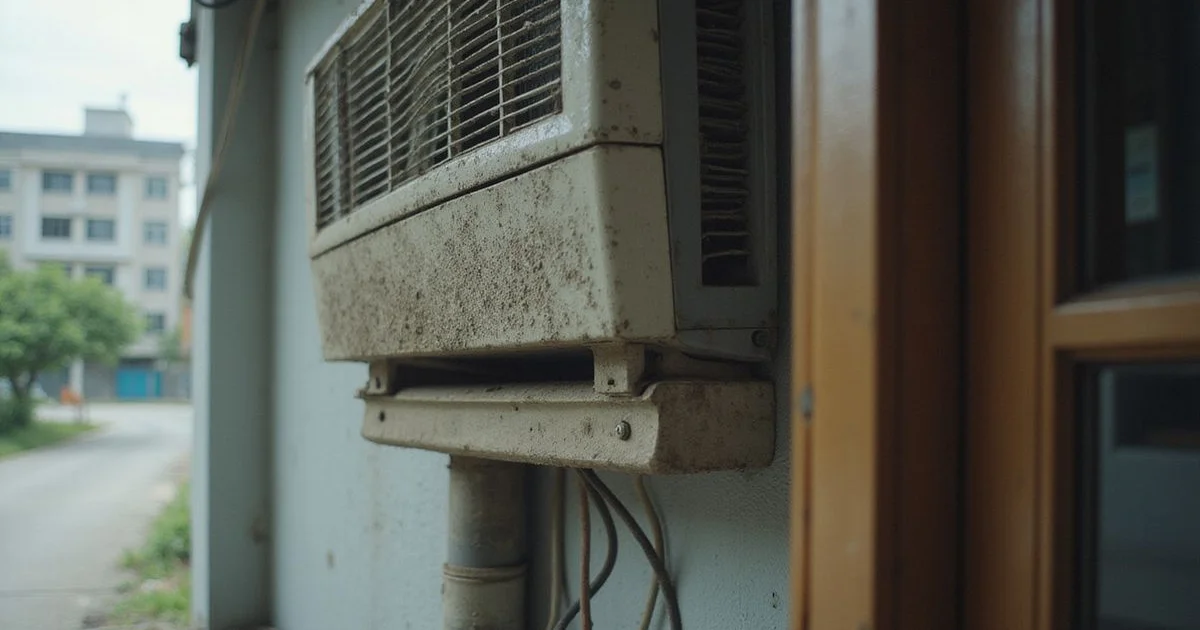
You know how some installations seem to run forever, while others break down constantly?
We see this divide clearly when servicing units across the Klang Valley. The local environment plays a massive role in equipment lifespan. Frequent breakdowns often trace back to specific neighbourhood conditions rather than manufacturing defects.
Our team regularly replaces worn-out systems that simply could not handle heavy urban exposure. When evaluating aircon lifespan, Cheras heat, dust, and traffic pollution present a particularly demanding environment. The reasons are easy to overlook until your hardware ages prematurely.
Let’s look at the data driving this wear and explore a few practical ways to protect your investment.
Why Cheras is harder on aircon than other areas
High traffic volume and dense concrete development force cooling systems to work under extreme conditions. These two factors dramatically accelerate component wear in this specific district. We notice that standard manufacturer guidelines rarely account for these intense microclimates.
Road dust from major corridors
The MRR2 and the newer SUKE highway carry constant heavy traffic through the area. Vehicle exhaust, tyre wear, and general road dust settle heavily on outdoor condenser units located near these corridors.
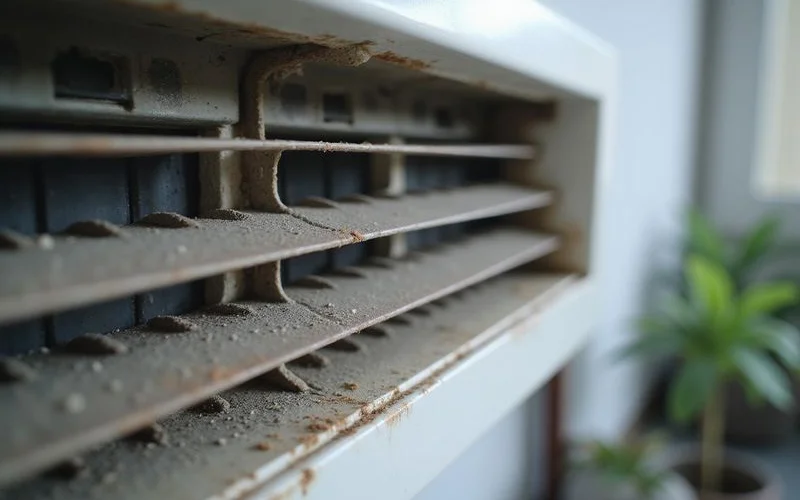
Our technicians frequently clean coils completely caked in this thick, oily grime. This dust acts like a blanket of insulation, stopping the unit from dumping heat efficiently. The compressor then has to work harder to achieve the same indoor temperature.
“Road dust combined with Malaysia’s high humidity creates a sticky sludge that basic water washing cannot remove. It requires targeted chemical agents to protect the delicate aluminum fins.”
A clogged condenser can increase your electricity consumption by 20% to 30%, noticeably inflating your monthly TNB bills. The system runs hotter, draws more current, and wears out critical moving parts at an accelerated rate.
Urban heat-island effect
Dense development packed with townhouses, concrete commercial blocks, and narrow streets retains massive amounts of heat through the night. This creates a severe urban heat-island effect that prevents ambient temperatures from dropping.
A recent 2023 Think City study mapping the Klang Valley found that land surface temperatures in highly built-up zones have risen by up to 2.9°C due to the loss of green cover. This intense Klang Valley aircon heat translates to a massive extra load on your equipment every single evening.
We constantly see compressors failing early because they never get a cool restart. The machinery just keeps grinding against a hot outdoor environment, and years of that thermal stress quickly destroy internal seals.
What it does to your unit
A neglected system in a clean, shaded environment might run for 12 years before developing serious problems. The exact same model installed along the MRR2 corridor might suffer a major breakdown at year seven. The difference comes down entirely to how much extra strain the local conditions add to the hardware.
Our repair logs show a clear pattern of premature failures in these high-stress zones. Replacing a burnt-out compressor in Malaysia typically costs between RM500 and RM800, making neglect a very expensive habit. Specifically, the severe environment accelerates damage across several key areas:
- Compressor wear: The motor runs hotter and longer, leading to early mechanical failure.
- Coil fouling: Local Cheras aircon dust mixes with high humidity to coat coils in a stubborn grime that basic filters cannot catch.
- Refrigerant pressure swings: Extreme ambient heat stresses the copper joints and rubber seals, increasing the risk of gas leaks.
- Electrical components: Constant high temperatures bake the control boards, significantly shortening capacitor and PCB life.
Quarterly service is the fix
The good news is that none of this damage is irreversible if caught early. Routine maintenance removes the restrictive grime, drops the operating temperature, and unwinds the wear that is building up inside the chassis. Quarterly servicing is essential, and targeted chemical washes are necessary when the condenser coils become heavily fouled.
A professional deep clean in Malaysia currently costs around RM130 to RM180, which is a fraction of the price of a major hardware repair. We highly recommend asking your technician to inspect the blower fan and drain pan, as clearing these prevents sudden water leaks in your living room.
For properties located right on busy traffic corridors, tightening the maintenance schedule provides better protection. Service cadence recommendations for heavy dust zones:
- Outdoor Condenser: Wash every two months to prevent heat buildup.
- Indoor Blower: Clean every three to four months to maintain air quality.
- Filter Maintenance: Wash reusable screens yourself every two weeks.
This small extra investment significantly extends your overall aircon lifespan in Malaysia.
When the unit is too far gone
If a system has been neglected for years in a heavy dust corridor, replacing the hardware is often the smartest financial move. Pumping new gas into a failing system with multiple leaks is a waste of money, especially when R22 gas top-ups can cost up to RM150 a visit.
Upgrading to modern technology provides an immediate return on investment through lower electricity usage. A modern R32 inverter installed today, properly maintained, will easily outlast a decade-old R22 model even in the harshest local conditions.
Our field data confirms that new R32 refrigerants are vastly superior to the older, phased-out chemicals. These modern units draw about 10% less electricity than legacy R22 systems and have a much lower Global Warming Potential of 675. The difference in daily running costs becomes obvious within the first few billing cycles.
| Feature | Legacy R22 Systems | Modern R32 Inverters |
|---|---|---|
| Electricity Usage | High (constant speed) | Up to 10% lower |
| Cooling Speed | Slower | Faster heat transfer |
| Environmental Impact | High ozone depletion | Zero ozone depletion |
| Maintenance Cost | Expensive gas top-ups | Standard servicing rates |
We will always provide an honest assessment of whether a repair or a full replacement makes the most sense for your property. Consistent maintenance guarantees that whatever system you choose delivers reliable comfort for years to come. Contact our team today to schedule an inspection and keep your home perfectly chilled.
Related reading: Still deciding? You can also read our guide on Aircon Servicing vs Repair: Which Do You Need?.