
Guide
Inverter vs Non-Inverter Aircon for Malaysian Homes
Inverter aircon costs more upfront but uses 30–40% less electricity. For daily long-hour use, the savings pay off. Here's how to decide for your situation.
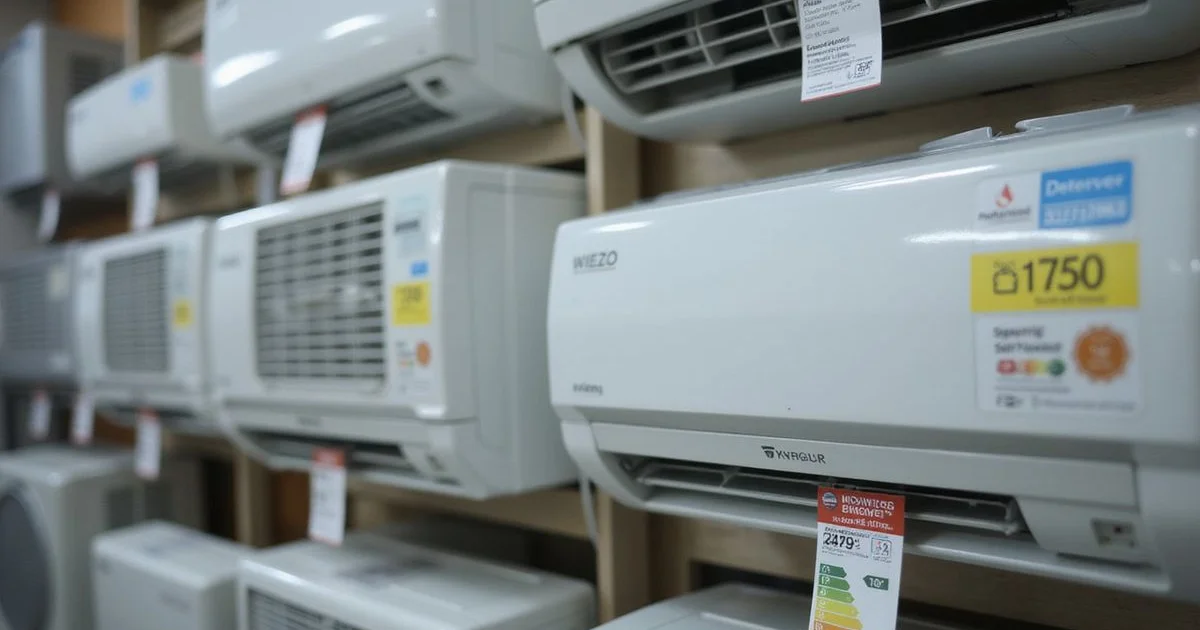
We know exactly how frustrating it is to see a massive TNB bill after a hot month. The culprit is almost always your cooling setup.
Our team spends every day inspecting units across Cheras and Selangor.
A simple hardware choice makes all the difference in those monthly costs. We are going to break down the technical differences of an inverter vs non inverter aircon, look at the actual running numbers, and help you choose the right system.
How the two differ technically
A non-inverter aircon compressor runs at full speed or turns off completely. An inverter compressor constantly adjusts its speed to maintain a steady temperature.
Our technicians often compare non inverter vs inverter setups to driving a car in heavy traffic. You burn a lot of extra fuel if you constantly stop and sprint back to top speed. We see non-inverter units doing exactly this.
They draw a massive surge of power, sometimes up to 900 watts, every time they click back on. Our preference for inverters comes from their continuous, low-power operation. They might only pull 200 to 300 watts to keep a room comfortable once it reaches the target climate.
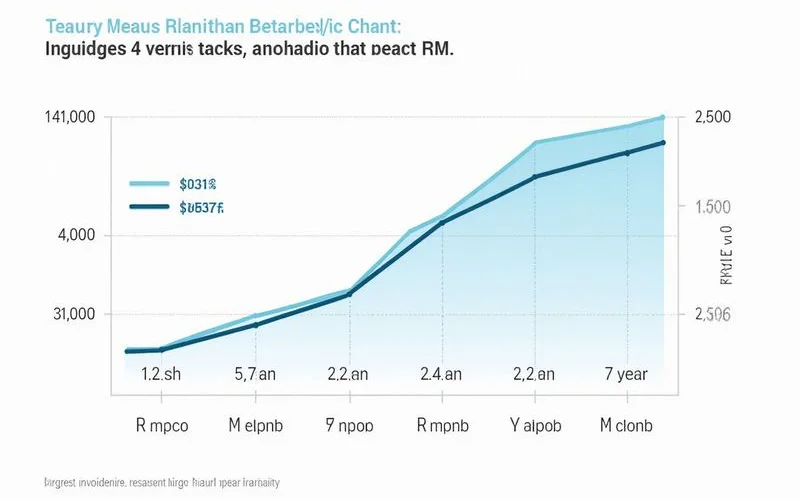
- Non-inverter mechanics: The compressor operates in a strict binary mode, cycling between 100 percent capacity and zero.
- Inverter mechanics: The system utilizes a variable-frequency drive to control the electric motor speed, smoothly matching the exact cooling load of the room.
Electricity savings in a Malaysian climate
An inverter unit can save a Malaysian household between RM30 and RM100 a month on electricity depending on usage and horsepower. The longer you run the cooling system daily, the faster you recover your initial purchase cost.
We track these savings closely for our local clients. The latest 2026 TNB tariff blocks push heavy residential users into the 51.60 sen per kWh or even 54.60 sen per kWh tiers. Our calculations show that a standard 1.5HP non-inverter running all night easily tips your bill into these expensive brackets.
You can avoid those penalty rates by switching to a variable-speed compressor. We frequently install models like the Daikin FTKF inverter series to help families stay in the lower, cheaper TNB tiers.
| Usage Pattern | Unit Size | Estimated Monthly TNB Saving |
|---|---|---|
| 8 hours daily (Overnight) | 1.5HP | RM30 to RM60 |
| 12 hours daily (Heavy use) | 2.0HP | RM60 to RM100 |
| 1 to 2 hours daily (Occasional) | 1.0HP | RM10 to RM20 |
Over a standard 10-year lifespan, a heavily used bedroom inverter saves between RM4,000 and RM7,000 in electricity. This massive reduction completely wipes out the RM300 to RM400 upfront price premium you pay at the hardware store.
When inverter is the clear winner
If you are asking is inverter aircon worth it, the answer is a clear yes if you run your cooling system for eight or more hours a day, especially in bedrooms or home offices. They perform best in well-insulated rooms where the temperature stays relatively stable.
We highly recommend this technology for spaces that get direct afternoon sun. The midday heat in Cheras and greater Selangor consistently pushes past 34 degrees Celsius. Our installation crews notice that well-sealed rooms hold this cooled air perfectly, allowing the inverter to dial back its power draw.
You will generally recoup the extra machine cost within 18 to 24 months of regular use. We always tell clients to think of the long-term return if they plan to stay in their current property for more than five years.
- Heavy daily usage: Running the system 8 plus hours for sleep or remote work.
- Good insulation: Rooms with closed windows, thick curtains, and minimal air leaks.
- Long-term residence: Properties you plan to live in for 5 years or more.
- Bill sensitivity: Homes actively trying to stay out of the high TNB tariff blocks.
When non-inverter still makes sense
A standard non-inverter model is still a practical choice for spaces used less than a few hours a week. They are perfect for spare rooms, occasional guest rooms, or tight initial budgets.
We do not push expensive systems if your usage does not justify the cost. A major factor to consider is the maintenance expense down the line. Our repair logs show that replacing a fried inverter PCB (Printed Circuit Board) in Malaysia costs between RM300 and RM800.
Non-inverter units rely on simpler, cheaper mechanical parts that are very affordable to fix. We often suggest these basic models for older homes in Selangor that experience frequent power surges, as voltage spikes can easily damage sensitive inverter electronics.
- Guest bedrooms: Spaces that only need cooling a few nights a month.
- Rental properties: Situations where the landlord buys the machine, but the tenant pays the TNB bill.
- Harsh environments: Workshops or open-air cafes where cold air escapes constantly.
- Strict budgets: Scenarios where immediate upfront savings are the top priority.
What to look for when buying an inverter
When buying the best inverter aircon malaysia has available, always check for a high Cooling Seasonal Performance Factor (CSPF) rating and the official 5-star label from Suruhanjaya Tenaga. These two metrics guarantee you are getting a modern, highly efficient unit designed for local conditions.
We tell every customer to ignore outdated EER ratings and focus on the CSPF number instead. The Energy Commission of Malaysia implemented stricter Minimum Energy Performance Standards (MEPS) for 2026, meaning a new 5-star unit is vastly superior to older models. Our technicians also strongly favour units running on R32 refrigerant.
This modern gas is significantly better at transferring heat than the older R410A standard. We can advise on specific models during your aircon installation quote, based on what is available, highly reliable, and suited to your exact usage.
- CSPF Rating: Look for the highest number possible on the yellow energy label.
- 5-Star Certification: Ensure the unit meets the 2026 Suruhanjaya Tenaga efficiency standards.
- R32 Refrigerant: Confirm the system uses this newer, eco-friendly cooling gas.
- Local Support: Stick to major brands like Daikin or Panasonic for excellent spare part availability in Malaysia.
The bottom line
For typical Malaysian household use, an inverter model wins on running costs almost every single time. The mathematics only fail for true low-use scenarios or harsh commercial environments.
We factor your specific daily usage and budget into every honest recommendation we make. An accurate assessment prevents you from overspending on technology you will never fully utilize.
Our goal is to provide a cooling solution that keeps both your room and your wallet comfortable.
You should reach out to our service desk today to schedule a detailed site inspection. We are ready to help you lower those TNB bills permanently.
Related reading: Still deciding? You can also read our guide on How Much Does Aircon Installation Cost in Malaysia?.