
Guide
Why Is My Aircon Making Loud Noises?
Rattling, grinding, buzzing or hissing — each aircon noise points to a different fault. Here's what each one usually means and which ones can't wait.
We hear the same frustrated question from property owners across Cheras and Selangor every single week. An aircon making loud noise is simply the system trying to communicate a mechanical or electrical issue before it fails completely.
Our technicians have tracked these specific audio warnings across thousands of Malaysian homes and businesses in 2026.
Catching these sounds early is the difference between a simple RM120 general service and a massive RM800 compressor replacement. We will break down exactly what each sound indicates so you can identify the root cause quickly.
This straightforward roadmap reveals which aircon noise means you need to shut the unit off immediately, and which ones can wait.
What different aircon noises mean
Our daily experience across the Klang Valley shows that every single sound from your cooling system points to a specific internal fault. Recognizing these audio clues helps you decide immediately whether you need emergency assistance or just a routine check.
We strongly suggest matching your specific problem to the common examples detailed throughout this guide. Below is a detailed breakdown of what these different sounds actually mean for your equipment and your wallet.
Rattling
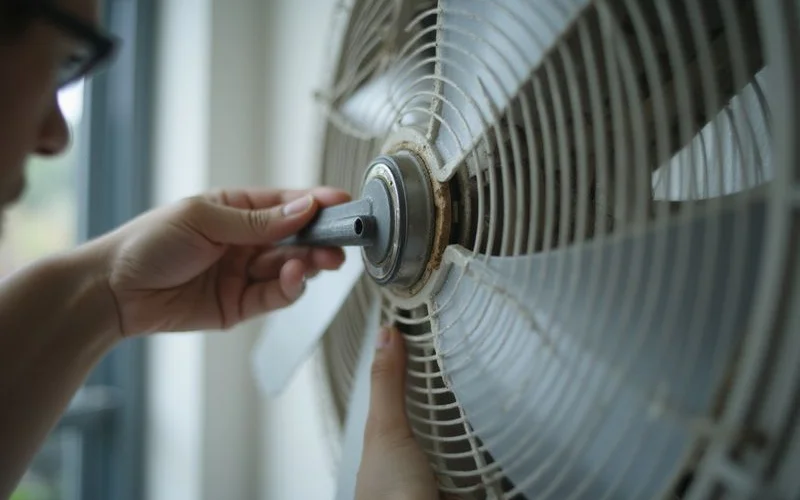
We frequently find that a rattling sound points directly to a loose mechanical component vibrating against the casing. An aircon rattling noise often starts when a simple fan shroud screw works itself loose or debris gets trapped inside the blower wheel.
Our technicians in Selangor regularly track this vibration to three main culprits. The most common sources of this irritating rattle include:
- Loose mounting brackets on the outdoor compressor unit.
- Small twigs or debris caught deep inside the spinning fan blade.
- A front plastic cover panel that was not snapped back into place correctly.
We always advise checking the front cover panel before worrying about a major mechanical failure. Finding the source of this vibration is usually a quick fix that stops the problem completely.
Buzzing
Our electrical diagnostic tools usually trace a persistent buzzing sound straight to a struggling capacitor or a stuck contactor. This distinct electrical hum means the fan motor is desperately trying to start but cannot pull enough power.
We consider this a serious warning sign because a failing capacitor forces the compressor to work twice as hard. Here is a quick breakdown of the potential issues causing that buzzing noise and their typical repair costs in Malaysia:
| Component Issue | Typical Repair Cost (MYR) | Urgency Level |
|---|---|---|
| Debris blocking fan blade | RM80 - RM120 | Moderate |
| Damaged electrical contactor | RM150 - RM300 | High |
| Failing run capacitor | RM200 - RM400 | High |
Our team recommends shutting the system off promptly to protect the expensive compressor windings from burning out. Ignoring this electrical strain is the fastest way to destroy a system that is only three to five years old.
Grinding or screeching
We treat any harsh grinding or screeching as a massive red flag indicating dangerous metal-on-metal friction. An aircon grinding sound almost always means a critical bearing inside the fan motor or blower wheel has completely worn out.
Our repair crews see this happen frequently when local humidity strips away the factory lubrication on older residential units.
“Never force an air conditioner to run if it sounds like grinding metal, as the friction heat will permanently warp the motor shaft.”
We urge you to turn off the power at the main switch immediately to prevent catastrophic internal damage. Calling a licensed technician right away is the only safe way to handle a shattered motor bearing.
Hissing
Our pressure tests confirm that a steady hissing noise near the pipe joints usually indicates a severe refrigerant leak. The pitch remains high and consistent, and you might even detect a faint chemical odor circulating in the room.
We must stress that handling leaking refrigerants like R32 requires strict adherence to Malaysian safety regulations. You should watch out for these secondary symptoms that confirm a high-pressure gas leak:
- Ice accumulation forming on the indoor copper coils.
- The air blowing from the vents feels completely warm.
- A bubbling sound occasionally mixing with the steady hiss.
Our strict company policy requires a complete pressure test before we perform any standard gas top-up. A cheap gas refill without fixing the underlying leak means you will just be paying for the exact same service again next month.
Clicking or popping
We always remind customers that mild clicking sounds during start-up or shutdown are completely normal for modern wall units. The plastic casing naturally expands and contracts as the temperature changes rapidly within the room.
Our concern only grows if you hear loud, repetitive clicks while the system is actively running. This rapid clicking points directly to two main electrical faults:
- A failing electrical relay switch.
- A defective control board struggling to send signals.
We suggest listening closely to see if the clicks happen at random intervals or follow a steady, rhythmic pattern. A rhythmic popping sound is a clear signal that an electrical component needs professional testing before it shorts out completely.
Loud humming with no airflow
Our emergency call logs show that a loud hum with zero cooling usually means the compressor is locked up and cannot start. A totally blown capacitor or a welded contactor switch is the most common culprit behind this frustrating dead silence.
We strongly advise against leaving the unit switched on in this paralyzed state, as the trapped electricity generates intense heat. Forcing the system to run while it just hums will trigger several dangerous secondary failures:
- The compressor windings will cook and short out within hours.
- The main electrical breaker for your home may trip repeatedly.
- The wiring harness connecting the outdoor unit can melt from excess current.
Our technicians can often swap out a fried capacitor for around RM200 to get the fan spinning again if you act fast. Letting it run hot will quickly escalate into a catastrophic RM800 compressor failure that ruins the entire outdoor unit.
Which noises are urgent
We classify every cooling system sound into two distinct categories to help you avoid unnecessary after-hours emergency fees. Knowing exactly when to flip the breaker off can save your equipment from irreversible mechanical destruction.
We recommend shutting off the power immediately and calling a professional if you experience any of these critical warning sounds:
- A harsh grinding or screeching that indicates metal scraping on metal.
- A loud, aggressive buzzing coming from the outdoor electrical panel.
- A heavy humming noise accompanied by absolutely zero airflow from the vents.
- A sudden, violent bang from the compressor followed by complete silence.
These aggressive sounds confirm that a vital component is either actively failing or has already broken apart inside the casing.
Our maintenance teams consider the following noises to be less critical, though they still require a service booking within a few weeks:
- A mild rattling sound that disappears after the system runs for a few minutes.
- A slight new vibration in the outdoor compressor bracket that shakes the wall.
- New clicking sounds during the initial start-up sequence that were not present last month.
A basic preventive service check will resolve these minor annoyances before they evolve into major mechanical breakdowns.
Why early diagnosis costs less
We see countless examples where delaying a simple service call turns a minor fix into a massive financial headache. A small worn bearing diagnosed during the first week of noise is usually a straightforward and inexpensive part replacement.
Our repair data across Kuala Lumpur proves that ignoring that same warning sign for two months will eventually shatter the fan motor completely. Here is a realistic look at how repair costs escalate when you ignore early warning noises in a standard split-unit system:
| Initial Warning Noise | Early Repair Action & Cost | Consequence of Ignoring (Late Repair Cost) |
|---|---|---|
| Mild fan rattling | Clear debris / Tighten screws (RM120) | Shattered fan blade replacement (RM250+) |
| High-pitched hissing | Patch minor pipe leak (RM150) | Complete system gas depletion & coil damage (RM500+) |
| Electrical buzzing | Replace failing capacitor (RM200) | Burned-out compressor replacement (RM800+) |
We always tell clients that booking a quick aircon repair visit right when the sound starts is the smartest financial decision. Getting a professional set of eyes on the equipment early ensures that a loose screw does not destroy your entire cooling system.
When an aircon making loud noise is actually a service issue
Our technicians want you to know that certain mechanical sounds are just a normal part of the cooling process. A persistent, low-level whirring from a freshly serviced unit is often just the powerful fan operating perfectly in a quiet bedroom.
We consider the following operational sounds to be completely normal and harmless for modern air conditioners:
- A gentle, steady hum from the outdoor compressor unit while it is running.
- Soft, intermittent clicking as the plastic louvers adjust their airflow direction.
- The sound of rushing water, which is just the internal refrigerant circulating through the copper pipes.
Some high-efficiency inverter models naturally produce a soft, fluctuating hum as they adjust their cooling output to match the room temperature.
Our policy is to document any permanent noises that have been present since the initial installation, just to monitor them over time. If the system cools perfectly and the sound never changes in volume, it is likely nothing serious, though a technician should still note it during your annual service.
Conclusion
Our goal is to ensure your indoor environment remains consistently comfortable and completely safe.
Dealing with an aircon making loud noise is much easier once you understand exactly what the equipment is trying to tell you. We encourage you to schedule a professional inspection today if your unit is displaying any of the severe warning signs mentioned above.
Reach out to a licensed technician to secure your peace of mind and protect your valuable investment from unnecessary damage.
Related reading: Still deciding? You can also read our guide on Aircon Error Codes Explained: Daikin, Panasonic & Acson Blinking Lights.